

After a new roof installation in Garland, TX, homeowners should know the roof replacement process, roofing materials, and project details. From removing the old roof to roof inspection, final inspection, underlayment, solar panels, replacing vents, and tear off, every step ensures durability and performance.
Strong Roofs, Lasting Protection, Garland, TX
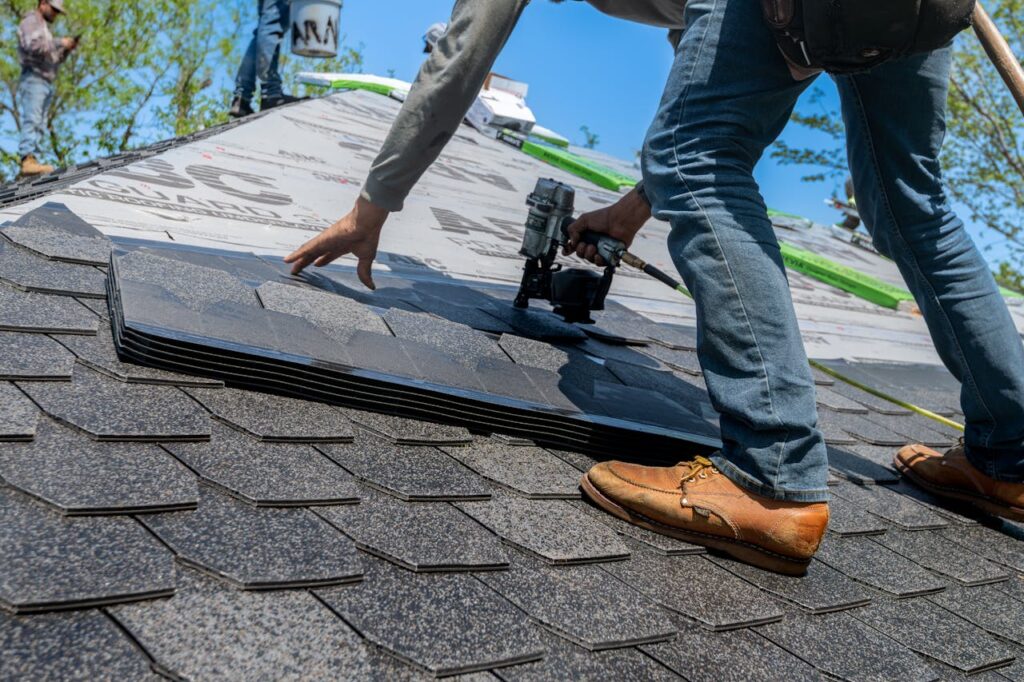 After a new roof installation in Garland, TX, getting a new roof is a significant investment that protects your home and boosts curb appeal.
This type of roofing project depends on several factors, including the condition of your existing roof and whether one or two layers—or even a second layer—need removal before work begins. Many homeowners wonder, what comes next after your new roof is installed?
At Fireman Roofing TX, we guide you through each step after new roof installation—from the precise tear off with a circular saw, installing underlayment, and fitting new materials of the same size, to completing a thorough final inspection—so your investment provides long-lasting durability, safety, and peace of mind.
General Care & Maintenance
What should I do after a new roof installation?
After your roof replacement, the first step is to carefully check the roofing materials used and confirm everything aligns with the roofing contractor’s plan. A roof inspection ensures that your new roof is installed correctly and gives you confidence that the roof installation process met the manufacturer’s specifications.
How do I maintain my new roof so it lasts longer?
To extend your new roof’s life, schedule regular inspections and make roof repairs promptly when issues arise. Partnering with a professional roofing contractor helps you address hidden issues before they become significant problems, giving your roofing system strength against future wear and tear.
Do I need to clean my roof right after it’s installed?
While a roof installation process often leaves behind stray nails, other debris, or loose nails around the home, the roof deck itself doesn’t usually need immediate cleaning. However, clearing shingle fragments, starter shingle packaging, or old roof remnants ensures the roof system functions as intended and improves energy efficiency.
How soon should I schedule the first roof inspection after the installation is complete?
It’s wise to arrange a free roof inspection or even a final roof inspection within the first year to verify your roof was installed correctly. An experienced roofing contractor will confirm that ventilation systems, ridge vents, and attic vents are in proper condition, ensuring your roof’s long-term performance.
Warranty & Insurance
What warranties should I expect after a new roof installation?
Most roofing companies provide warranty information covering both the roofing materials and workmanship. Ask your roofing contractor for documentation that details the roof installation process, the entire roof replacement process if applicable, and instructions on how to maintain coverage for your roofing project.
Does my homeowner’s insurance cover anything after installing a new roof?
Your homeowner’s insurance may cover storm damage or roof failures that occur despite using the right roofing materials. A roof replacement process is a significant investment, and maintaining communication with your insurance provider ensures your home’s protection against high winds, ice dams, or other risks.
How do I register my new roof warranty?
Registering your warranty involves submitting documents to the roofing manufacturer and your roofing contractor. Be sure to include proof of the roof installation, warranty information, and materials used, for example, asphalt shingles, synthetic underlayment, or metal roofing, to confirm eligibility.
Homeowner Responsibilities
Should I keep documents or photos after a new roof installation?
Yes—always keep final inspection reports, photos from the roof installation day, and paperwork from the roofing crew. This protects you in case of disputes and helps verify that all stages of the roof installation process were completed according to manufacturer specifications.
Do I need to notify my insurance company after getting a new roof?
Yes, informing your homeowner’s insurance company ensures they update your coverage after a roof replacement. Sharing roof inspection records and warranty information with your insurance provider may even lower premiums and further protect your investment.
Is there a checklist of things to do after a roof installation?
Create a checklist that includes verifying the roof system, ensuring the roofing contractor removed the old roof debris, confirming drip edge installation, checking ventilation systems, and documenting the final payment. A well-structured list keeps you organized and ensures nothing from the installation day is overlooked.
Safety & Protection
Can I walk on my new roof?
Walking on a new roof, especially with asphalt shingles or architectural asphalt shingles, can damage the roof deck and disturb staggered rows of shingles. Avoid climbing on your roof ridge or complex roofs; instead, let roofing contractors handle the inspections.
How do I protect my new roof from storm damage?
Protecting your new roof involves installing ice and water shields, ensuring ridge vents are correctly sealed, and checking that ventilation systems can handle strong winds. Regular inspections after severe weather also catch early signs of water stains, hidden issues, or other damage.
Should gutters or vents be checked after a roof installation?
Yes, replacing vents, attic vents, and checking gutters ensures proper drainage and ventilation. Adding drip edges and confirming no water shield overlaps are exposed helps improve energy efficiency and extends the roof’s life.
Contractor & Follow-Up
Should I schedule a follow-up visit with my roofing contractor?
Yes, a follow-up visit allows your roofing contractor or roofing crew to confirm that the roof installation process was completed without flaws. It’s also an opportunity to ask questions about the roof deck, ventilation systems, and final inspection results before releasing the final payment.
What signs of poor workmanship should I look for after a new roof installation has been completed?
Look for loose nails, stray nails, missing shingles, or water stains as early indicators of poor workmanship. Complex roofs or large roof size projects may reveal hidden issues if the roofing team didn’t follow manufacturer specifications.
How do I know if my new roof was installed correctly?
Signs of a roof installed correctly include clean tear-off of the old roof, proper installation of underlayment, consistent staggered rows, and ventilation systems that function well. A final inspection by an experienced roofing contractor verifies that the roof was completed to standard.
Energy Efficiency & Home Improvements
How can a new roof improve my home’s energy efficiency?
A properly installed roof with synthetic underlayment, ridge vents, and drip edge helps regulate indoor temperatures and reduce energy costs. Roof size, ventilation systems, and roofing materials, for example, asphalt shingles or metal roofing, all influence energy efficiency. Adding solar panels after a new roof installation can further increase savings.
What additional home improvements should I consider after installing a new roof?
After a roof replacement, many homeowners upgrade ventilation systems, replace attic vents, or add insulation to improve overall comfort. Roof installation often inspires broader home improvements, from siding updates to adding curb appeal features that raise property value.
Local Considerations & Regulations
What local rules or laws should I know about new roof installation in Texas?
In Texas, homeowners should be aware of the new roof law that impacts roof replacement and insurance claims. Always confirm with your roofing contractor that your project complies with local building codes and manufacturer specifications to avoid delays or complications.
Is $30,000 too much for a roof?
Roof cost varies by roof size, roofing materials, and the complexity of the roof installation process. While some complex roofs or full roof replacement processes may reach this amount, always request multiple quotes from a roofing company and compare the general process, warranty information, and materials used.
Testimonials
How was your experience after the new roof installation in Garland, TX, with Fireman Roofing TX?
“The entire roof replacement process was smooth from start to finish. They explained the roofing materials, the tear off of the old roof, and even showed us the final inspection photos. Our home feels safe and looks amazing now. Highly recommend Fireman Roofing TX!” – Sarah M.
Did Fireman Roofing TX meet your expectations during your roofing project?
“Absolutely. From installing underlayment to replacing vents and handling the roof inspection, every detail was professional. We even discussed solar panels for the future. After the new roof installation Garland TX, I couldn’t be happier with the results.” – James R.
Take Action Today: Protect Your Roof Investment
The steps you take after a new roof installation in Garland, TX, will determine how well your investment performs for years to come. From timely roof inspections and registering warranties to keeping accurate documentation, Fireman Roofing TX supports Texas homeowners at every stage.
Whether it’s installing underlayment, preparing for solar panels, replacing vents, or finishing other home improvements, our team ensures your roof is installed correctly, maintained with care, and built to last after a new roof installation in Garland, TX.